A private-use safari homestead means the whole property is yours. No other guests share the dining table, the pool, or the game-drive vehicles. Laikipia, the plateau north of Mount Kenya, has become the part of the country where this model is easiest to find, because so much of the land here sits under private ranches and conservancies rather than public parks. Touring Insights put together what this actually costs, which named properties do it, and who ends up glad they booked one.
What a Private-Use Safari Homestead Actually Means
A homestead differs from a standard lodge room or tented camp in one key way: you rent the entire house, not a bed inside it. That includes every bedroom, the lounge and dining areas, a private chef, dedicated guides, and often a vehicle assigned only to your group for the length of the stay. Nobody outside your party checks in.
This is different from a “camp buyout,” where you pay to close a small camp of several tents to outsiders. Homesteads are usually purpose-built as a single residence from the start, often a former ranch manager’s house or family home converted for guests. The distinction matters because homestead pricing is usually quoted per property per night, not per person, until you cross a minimum group size.
Where These Properties Sit on the Laikipia Plateau
Laikipia covers roughly 9,500 km2 of mixed ranchland, conservancy, and community land between the Ewaso Nyiro River and the northern slopes of Mount Kenya. Unlike the Maasai Mara or Amboseli, there is no single reserve gate. Instead, the land is divided among private conservancies such as Loisaba, Borana, Segera, and Suyian, each with its own access rules and its own resident homestead or two.
This land structure is exactly why private buyouts are common here. A conservancy that already limits vehicle density and outside traffic can also limit a homestead’s guest list to one group at a time, something far harder to arrange inside a heavily visited national park.
Real Cost Range: What a Full Buyout Actually Costs
Exclusive-use pricing depends on group size, season, and how many staff the rate includes. As a planning baseline, expect a full-property buyout on the Laikipia plateau to fall in the ranges below. These are indicative figures for comparison, not quotes, and every property sets its own minimum-night and minimum-guest terms.
| Homestead Size | Typical Group | Indicative Nightly Rate (USD, full buyout) | Usually Included |
|---|---|---|---|
| Small private house (4-6 guests) | Couples group or small family | 1,800-3,200 | Chef, house staff, one game-drive vehicle |
| Mid-size homestead (8-12 guests) | Extended family, small reunion | 3,500-5,500 | Chef, full staff, two vehicles, guide |
| Large homestead (14-20 guests) | Multi-generation reunion, corporate retreat | 5,500-9,000+ | Full staff, multiple vehicles, dedicated management |
Named Homesteads and What Each One Suits
Several Laikipia properties are built or repositioned specifically for exclusive-use booking. andBeyond’s Suyian Homestead sits on the roughly 178 km2 (44,000-acre) Suyian ranch bordering Loisaba Conservancy, and takes up to 18 guests across its rooms and cottages, run as a single private house rather than a shared lodge. Loisaba Conservancy itself offers Kiboko, a smaller private house within its own land, alongside its shared-camp options.
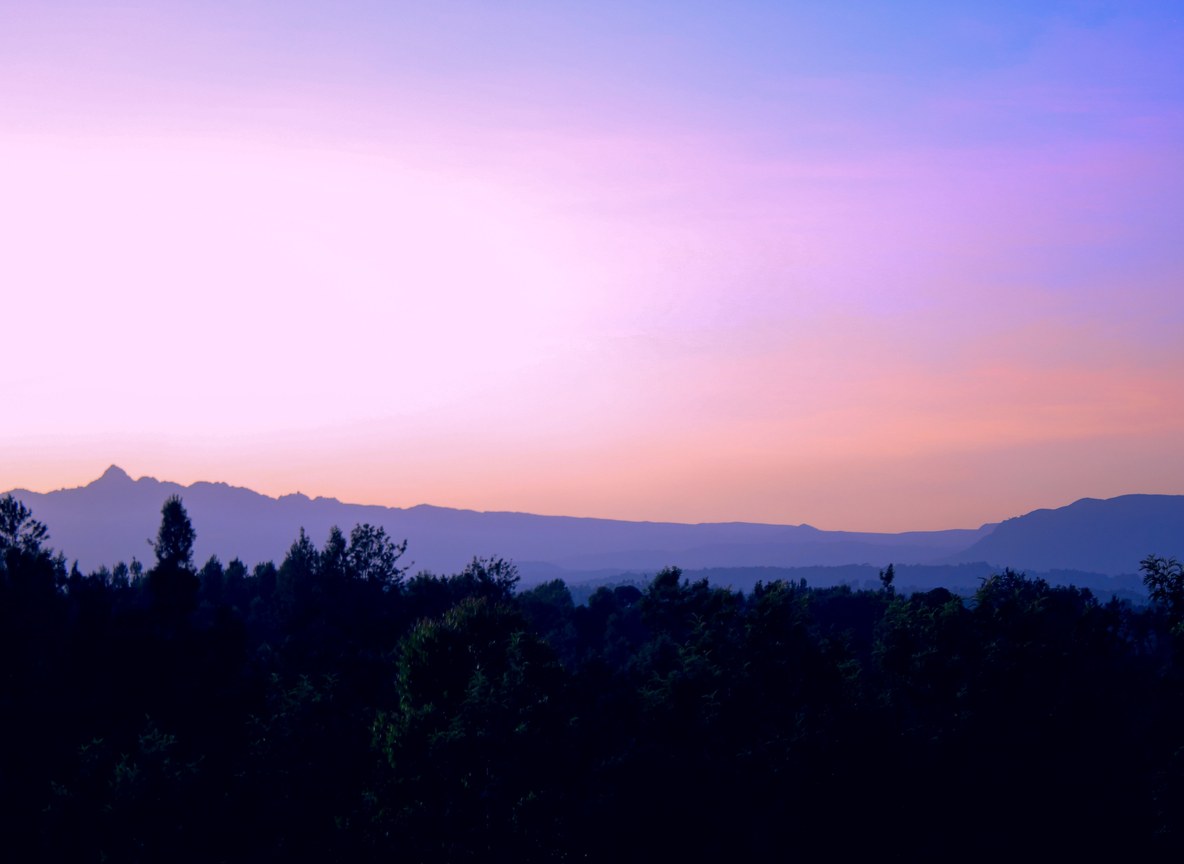
Borana Conservancy’s Laragai House sits above the plains with views toward Mount Kenya and books as a full private home for groups up to around 14. Segera, on the Zeitz Foundation’s roughly 200 km2 (50,000-acre) conservancy, offers Segera Retreat as an exclusive buyout separate from its main shared lodge. Sosian, a working-ranch property further west in Laikipia, also takes full-property bookings for groups that want a working-farm feel alongside the wildlife.
Who Actually Suits This Model
Multi-generation family groups are the clearest fit. A homestead lets grandparents, parents, and children share space on their own schedule, without coordinating meal times or game drives around strangers. Corporate retreats and milestone celebrations, such as significant birthdays or anniversaries, follow close behind, since privacy and a flexible schedule matter more than per-person cost.
Groups smaller than six should think harder before booking. A couple or a pair of friends pays for capacity they do not use, since the nightly rate barely changes whether four guests or ten fill the rooms. Solo travelers and first-time safari visitors are usually better served by a shared camp, where per-person rates are lower and a rotating cast of other guests adds structure to the day.
Getting There: Flights, Drives, and Airstrips
Laikipia’s homesteads cluster around a handful of access points. Nanyuki, the plateau’s main town, sits about 200 km north of Nairobi, a 3.5 to 4-hour drive on tarmac roads. Scheduled flights from Nairobi’s Wilson Airport to Nanyuki airstrip take about 35 to 40 minutes, and most conservancy homesteads arrange a further road transfer of 30 minutes to just over an hour from there.
Loisaba, Borana, and Suyian each maintain their own private airstrips for charter flights, cutting the final transfer to 10-20 minutes. Segera uses the same Nanyuki gateway with a longer road transfer given its position further from town. Confirm which airstrip your homestead uses when you book, since the difference between a scheduled Nanyuki flight and a direct charter can shift your travel day by two or three hours.
What’s Included Versus What Costs Extra
Most homestead rates bundle full board, house staff, a chef, and at least one game-drive vehicle with a guide. Laundry is usually included given the private setting. What typically sits outside the base rate includes premium wines and spirits, spa treatments where offered, horseback riding or camel trekking add-ons, scenic flights, and gratuities for staff.
Conservancy fees work differently here than inside national parks. Rather than a separate gate fee per person per day, most Laikipia conservancies fold a conservation fee into the nightly homestead rate, since the land is privately managed rather than government-run. Ask directly whether your quoted rate is fully inclusive of this fee or billed as a line item, since practice varies property to property.
Explorer Notes
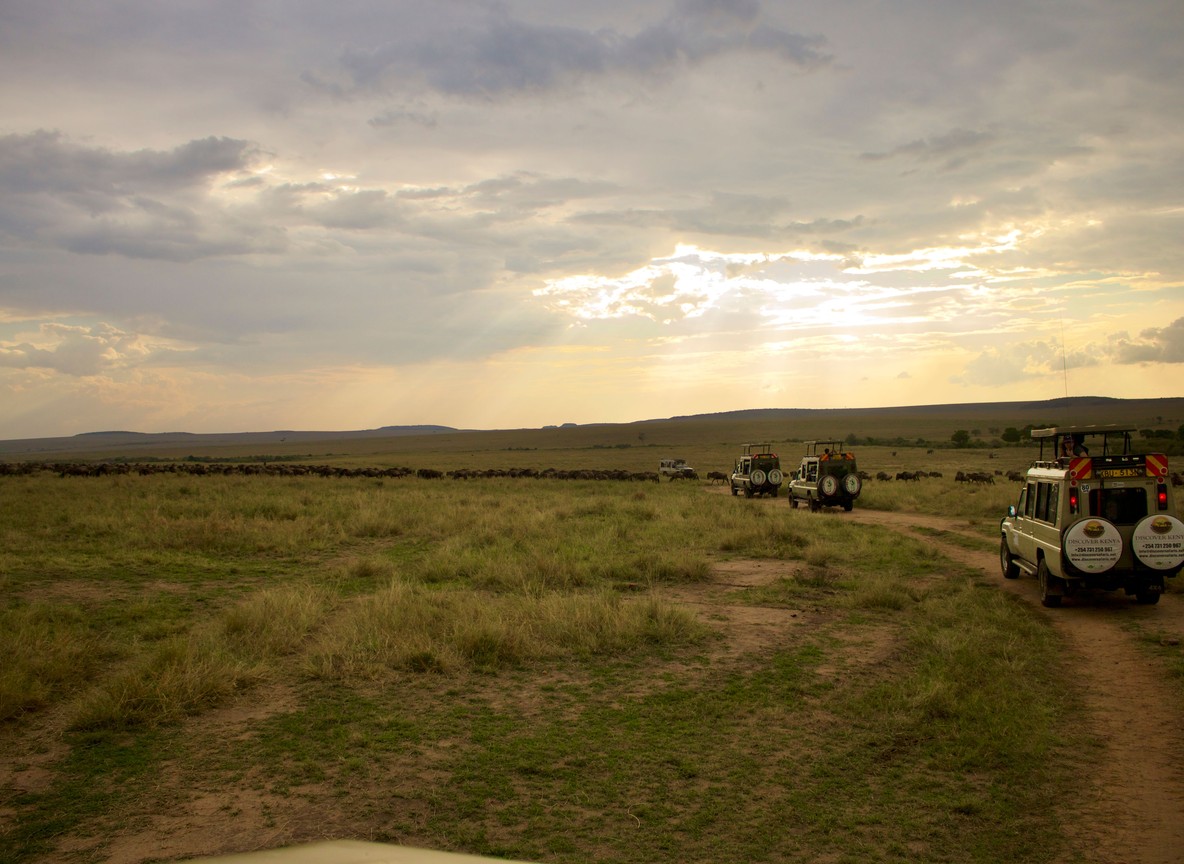
A few things worth knowing before you commit to a Laikipia buyout. First, ask for the exact minimum-guest count before you price per person, since some properties charge the full-house rate once you cross six guests while others hold the line at ten. Second, request a written staff ratio. A homestead with one staff member per two guests runs very differently from one closer to one-to-one, and this affects both service and how personal the stay feels. Third, check whether the rate includes a dedicated guide for the whole stay or a shared guide rotated from the wider conservancy team during busy weeks. Finally, ask about walking safaris and horseback options specifically. Laikipia’s private ranches allow far more of this than parks do, and it is often the reason families choose the plateau over the Mara for a homestead trip.
What to Read Next
- Comparing the conservancies themselves first? Read our Laikipia conservancies compared guide.
- Traveling with children across generations? See our family safari camp life in Kenya guide.
- Wondering how Laikipia stacks up against a busier reserve? Check our Laikipia vs Masai Mara low-crowd guide.
FAQ
What is the minimum group size for a Laikipia private homestead? Most properties set a minimum of four to six guests before quoting a full-buyout rate, though some smaller houses allow fewer at a higher per-person cost.
Is a private homestead more expensive per person than a shared camp? For small groups, usually yes. For a full house of twelve to twenty guests, the per-person cost can land close to a premium shared camp, since the total rate splits across more people.
Do Laikipia homesteads include game drives and a guide? Yes, nearly all include at least one dedicated vehicle and guide in the base rate, though a second vehicle for larger groups is often an added cost.
Can I book just part of a homestead instead of the whole property? Rarely. Most of these properties are designed and staffed as single-group residences, so partial bookings are uncommon and usually not offered during peak season.
How far in advance should I book a Laikipia homestead? Six to nine months ahead for peak July-to-October and December-to-January dates, since these properties hold only one booking at a time and popular dates fill early.
Working out whether a homestead or a shared camp fits your group is easier with a side-by-side quote in hand. Visit our Tour Packages page to compare Laikipia options, or ask a partner operator to price both formats for your exact group size before you decide.